Cascade's Quarterly Newsletter

Pathways Newsletter

Welcome to Pathways, your quarterly newsletter!

From navigating complex injection conditions to preventing chronic site flooding, this issue of Pathways covers the practical strategies and technologies shaping successful remediation projects. You’ll get a firsthand look at a stormwater control and stabilization effort that delivered results on a fast-paced timeline, explore how drilling method selection impacts your data quality and project outcomes, and hear expert advice on designing flexible injection programs that adapt to the unknown. We’ve also included key PFAS industry updates and an open invitation to share your feedback and stay connected with our team.


Restoring Function at a Flood-Prone Site

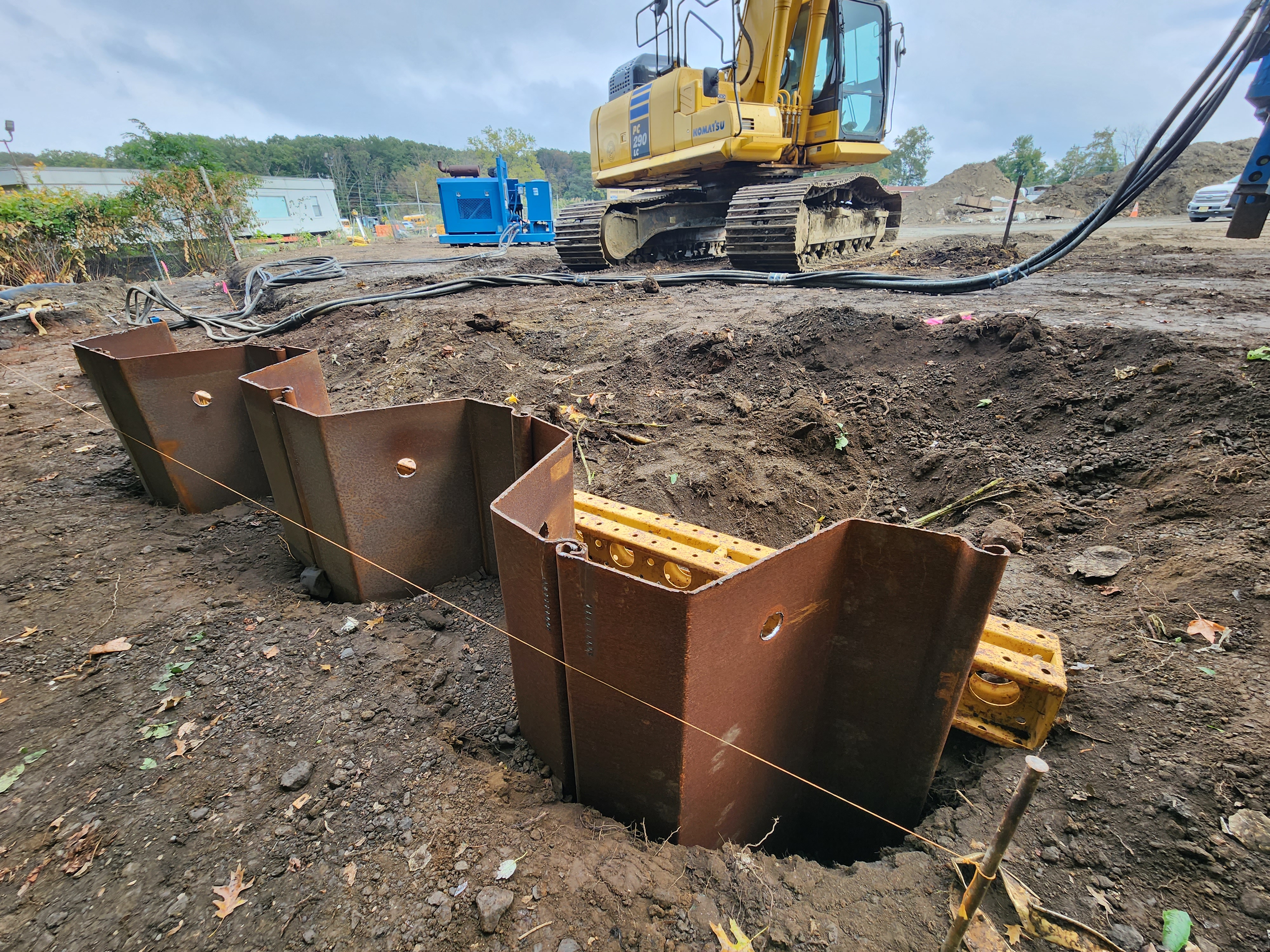
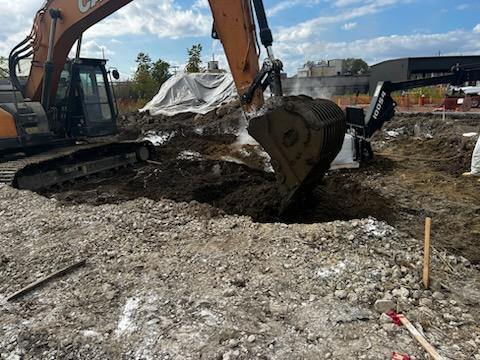
A commercial property in New Jersey was facing persistent flooding that disrupted site operations and created downstream hazards for adjacent roadways. Ransom Consulting brought in Cascade to implement a targeted stormwater and site stabilization strategy that addressed both infrastructure limitations and environmental risk. The site presented complex challenges, including groundwater management, structural support needs, and an urgent construction timeline.

Working within a tight timeline, the team installed 175 linear feet of 30-foot sheet pile, constructed a new stormwater system with 24-inch HDPE pipe and precast manholes, and stabilized the area with a 12-inch concrete slab, 200 feet of curbing, and an 80,000-square-foot asphalt cap. Groundwater dewatering and precise grading supported the system’s integrity. The project was completed on schedule with no safety incidents. Most importantly, after a significant two-inch rainfall, the formerly flood-prone area remained completely dry, demonstrating the reliability of both the engineering approach and field execution.

Restoring Function at a Flood-Prone Site

Ask the Expert

Do you have a question for our team? Ask it here>>

What strategies do you use to build flexibility into injection designs for unexpected site conditions?

Flexibility starts with site-specific evaluation. We incorporate pilot testing when feasible to assess injectability, flow rates, and amendment behavior under actual site conditions. Design options vary by geology—sandy soils allow for easier adjustment, while low-permeability zones require more planning.

We also prioritize modular equipment setups that can adapt to space or access constraints. For example, trailer-mounted systems are ideal for residential or urban settings where equipment must be moved daily.
It’s also critical to plan ahead for anaerobic water conditioning when bioaugmentation is part of the design. This includes accounting for storage capacity and conditioning time. We always build in contingency plans for amendment distribution, so we can adjust dosing, viscosity, or dilution ratios as needed based on real-time field feedback.
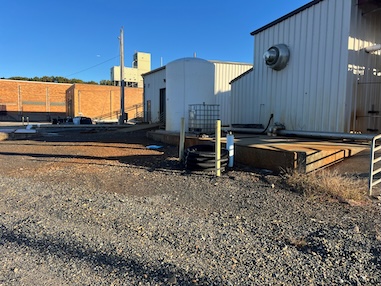
Finally, don’t overlook logistical requirements that vary by site. Security protocols, specialized PPE, or equipment restrictions, especially at federal or industrial facilities, should be communicated early in the bidding phase. That foresight ensures safe, compliant operations and avoids costly surprises during execution.

Ask the Expert

Technology Spotlight: Sonic vs. Hollow Stem Auger

How Drilling Method Selection Shapes Data Quality and Project Outcomes

Choosing between sonic and hollow stem auger (HSA) drilling is rarely a simple “either/or” decision; the right method depends on site lithology, target depth, data quality objectives, and risk tolerance not to mention schedule and budget. Select the wrong approach, and you may see costs rise, safety exposure increase, or critical subsurface data fall short of what you need for confident design and decision making. Our goal is to help you understand the tradeoffs, so you can match drilling technology to the specific demands of your project, rather than forcing your project to fit the tool making. 

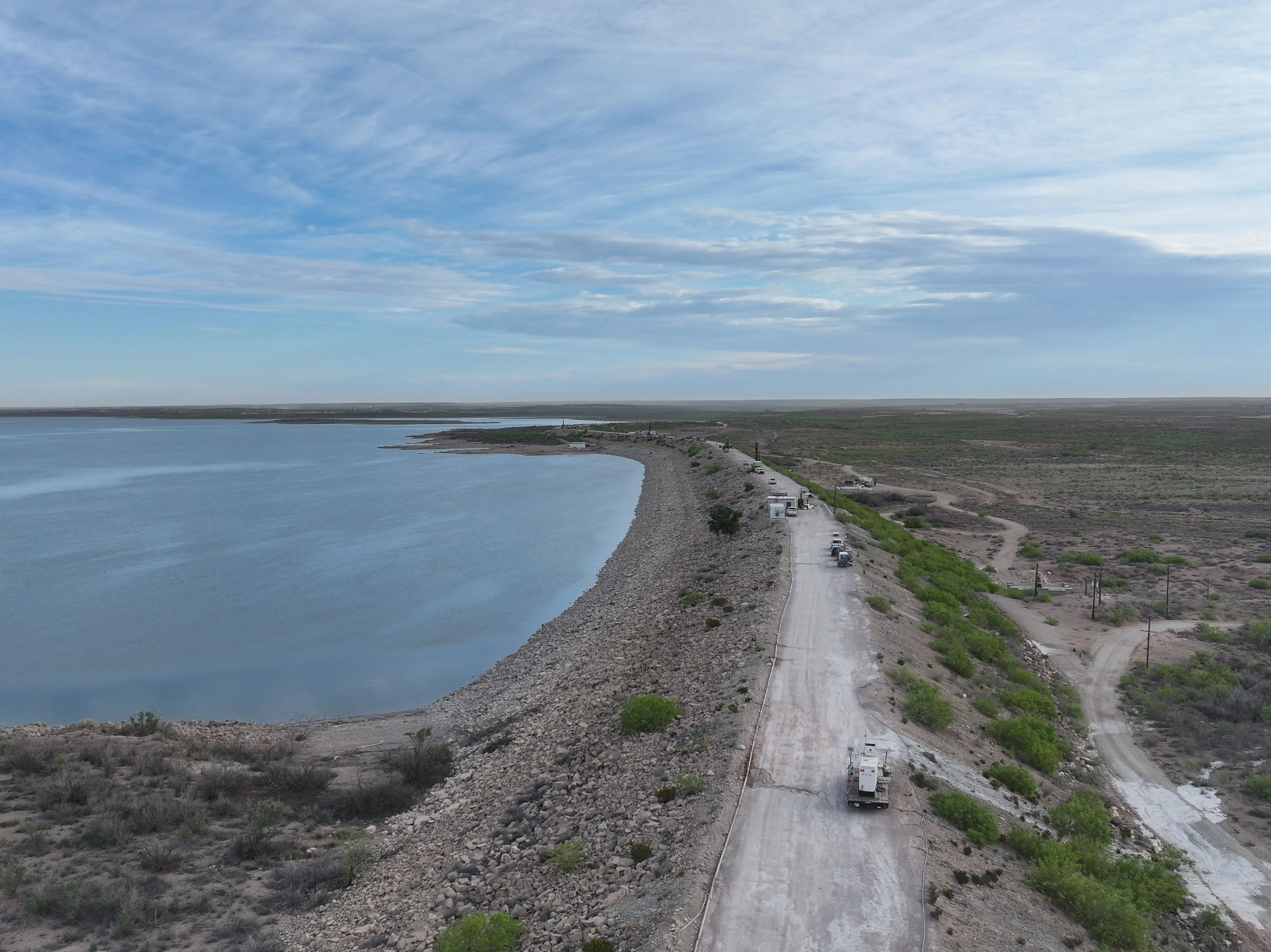
Both sonic and HSA drilling have clear strengths. Sonic offers greater depth potential and performance across a wide range of lithologies, including difficult formations where augers often reach refusal, while HSA is typically well suited for shallower borings in sands, clays, and fill, and can be an efficient option when you need annular space for filter packs. The question is not which technology is “better,” but which delivers the right balance for your site conditions and project goals.

In our blog, Balancing Cost, Safety, and Quality: A Look at Auger vs. Sonic Drilling, we break down these considerations with practical guidance to support your next scope of work. 

Technology Spotlight: Sonic vs. Hollow Stem Auger

PFAS Projects Are Moving Fast. Here’s a Resource to Help You Stay Ahead

As PFAS regulations tighten and project timelines accelerate, having a clear, defensible plan matters more than ever. Cascade’s PFAS Statement of Qualifications is designed to help you quickly understand what approaches are available, what challenges to anticipate, and how to move from investigation to remediation with confidence. The document outlines practical, field-tested strategies for managing PFAS in soil, groundwater, and surface water, with a focus on compliance, safety, and long-term performance.

Inside, you’ll find an overview of Cascade’s nationwide capabilities, PFAS-specific investigation and remediation technologies, safety protocols, and real-world project experience. Whether you’re scoping a feasibility study, preparing a proposal, or supporting a client through regulatory decision-making, this SOQ is a useful reference for navigating today’s PFAS landscape.

Download the PFAS SOQ >>
PFAS Projects Are Moving Fast. Here’s a Resource to Help You Stay Ahead

Stay Connected Your Way

We want to make sure you get the content that matters most to you. Let us know how you’d like to hear from Cascade, whether you’d like info on upcoming webinars or the latest industry updates from our newsletters (we promise not to spam you!). Do you have a particular topic you care about? Check the boxes to let us know you’re interested in learning more about environmental drilling, thermal remediation, PFAS, and more. You can update your preferences anytime or unsubscribe if you need a break.

Update My Preferences >>

Stop by to see us at the following events: 

Tell Us

We understand that quality is essential to your success. Your feedback at the end of each project helps us refine and improve our services to meet your expectations every time. Click on the link below to quickly submit a Qcard for your latest project, and help us continue to deliver the results you deserve.

Submit A Qcard >>

Never miss another update

Sign up for Pathways

Related Resources

;