Managing PFAS Risk: Plume Treatment with ColloidalChem™
In our previous blog post on managing PFAS risk, we explored the legal history and complex landscape of PFAS regulations. Responsible parties (RPs) who must meet strict new EPA...
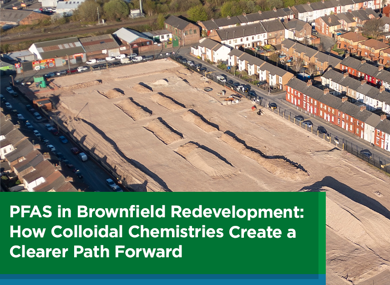
PFAS in Brownfield Redevelopment: How Colloidal Chemistries Create a Clearer Path Forward
Brownfield redevelopers face increasing complexity as PFAS contamination—often from past Aqueous Film Forming Foams (AFFF) use, metal finishing, or industrial processes—introduces...
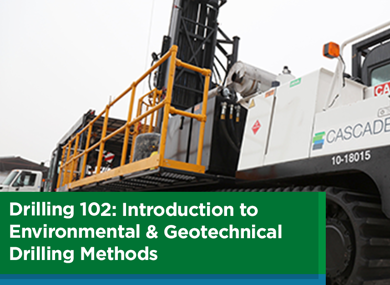
Drilling 102: Introduction to Environmental & Geotechnical Drilling Methods
If you are considering or just starting a career in the environmental services industry, you may feel overwhelmed by all the different technologies and applications you need to...
What You Need to Know Before Choosing a Remedy for Your Brownfield Site
The expense of investing in redeveloping brownfield sites can be high. These properties are often abandoned, contaminated, and blighted, making them challenging for communities...
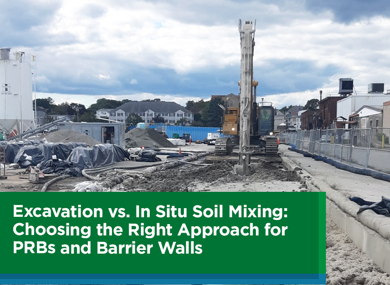
Excavation vs. In Situ Soil Mixing: Choosing the Right Approach for PRBs and Barrier Walls
When it comes to groundwater containment, the right approach can make or break your remediation plan. Should you remove the native material within the alignment or mix reagents...
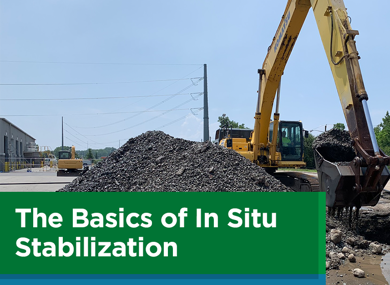
The Basics of In Situ Stabilization
Conventional remediation options requiring excavation, removal, and disposal of impacted soils can be cost-prohibitive when a large quantity of material is involved. Costs for...

Balancing Cost, Safety, and Quality: A Look at Auger vs. Sonic Drilling
Choosing the right drilling technology is one of the most important decisions in any site investigation or remediation project. The method you select can directly influence your...

How to Write Your RFQs to Get More Accurate Sonic Drilling Quotes
Putting together a request for quote (RFQ) can be tedious, and it’s tempting to issue a generic one in order to get responses from drilling contractors faster. The problem is that...
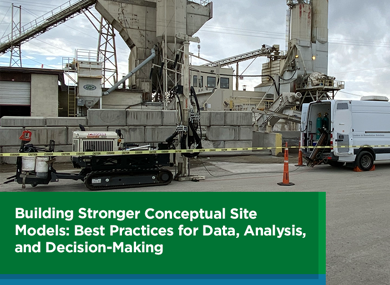
Building Stronger Conceptual Site Models: Best Practices for Data, Analysis, and Decision-Making
A Conceptual Site Model (CSM) is one of the most powerful tools for understanding site conditions, guiding investigations, and supporting effective remediation strategies. When...

Do I Need a Sustainability Plan and a Sustainability Report? A COO’s Guide to Strategic ESG
If you’re a Chief Operating Officer without a dedicated sustainability professional on staff, you’re not alone—and you’re not off the hook. As sustainability pressures mount from...
Join our newsletter

A bimonthly email with the latest expert insights in drilling and remediation