If PFAS are discovered in soil and/or groundwater at a redevelopment site the remediation challenge can becomes even greater than traditional petroleum or solvent contamination since parts per trillion standards have to be met with a wide option of offsite disposal and onsite treatment options.
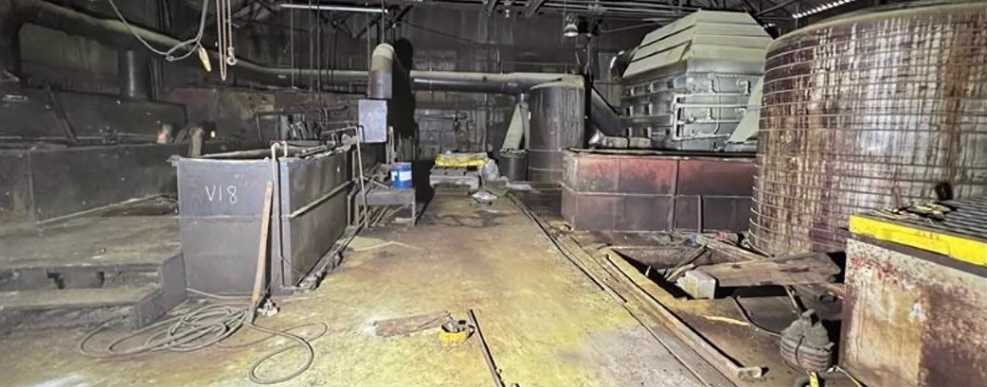
Sites with historic industrial or manufacturing activity, aqueous film-forming foam (AFFF) use, metal finishing operations, or fuel tanker spills are increasingly facing PFAS-related cleanup scrutiny. Once PFAS is identified redevelopment project teams must answer a critical question: Should we walk away, or can we move forward with an acceptable level confidence on expected costs and liability protection?
This webinar provides a practical, experienced-based framework to evaluate PFAS in situ remediation approaches and understand the financial and performance implications of available industry options. We will look at in situ adsorptive barriers using colloidal activated carbon, outlining where this technology may be viable.
What You’ll Learn:
- The advantages and limitations of in situ adsorptive barriers approaches versus pump and treat systems.
- Key site parameters that drive remedy selection, including soil type, groundwater velocity, treatment zone depth, PFAS concentrations and precursors, and the presence of co-contaminants. Cascade will present our new PFAS Site Data Characterization Form, which ensures designs and costing evaluate all the issues that can impact cost and performance.
- Cost scenario comparisons of various PAB configuration needed for input into redevelopment return on investments calculations.
Whether you are advising stakeholders, evaluating redevelopment risk, or developing remedial alternatives, this session will help you make informed and defensible decisions about PFAS-impacted properties with clarity around both technical feasibility and project economics.