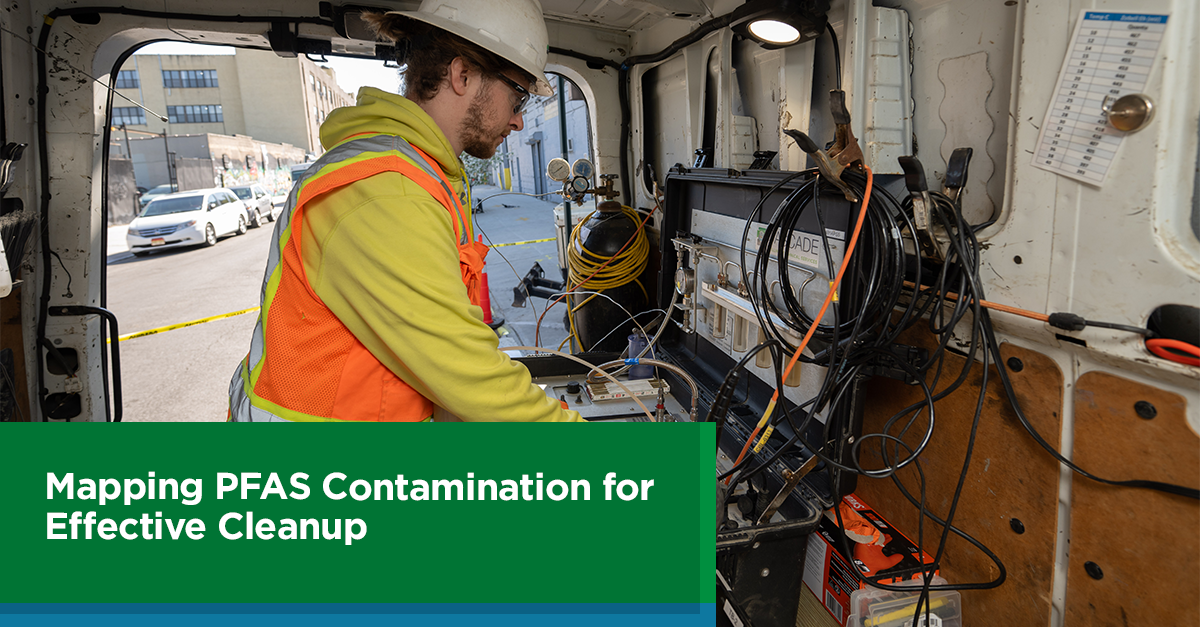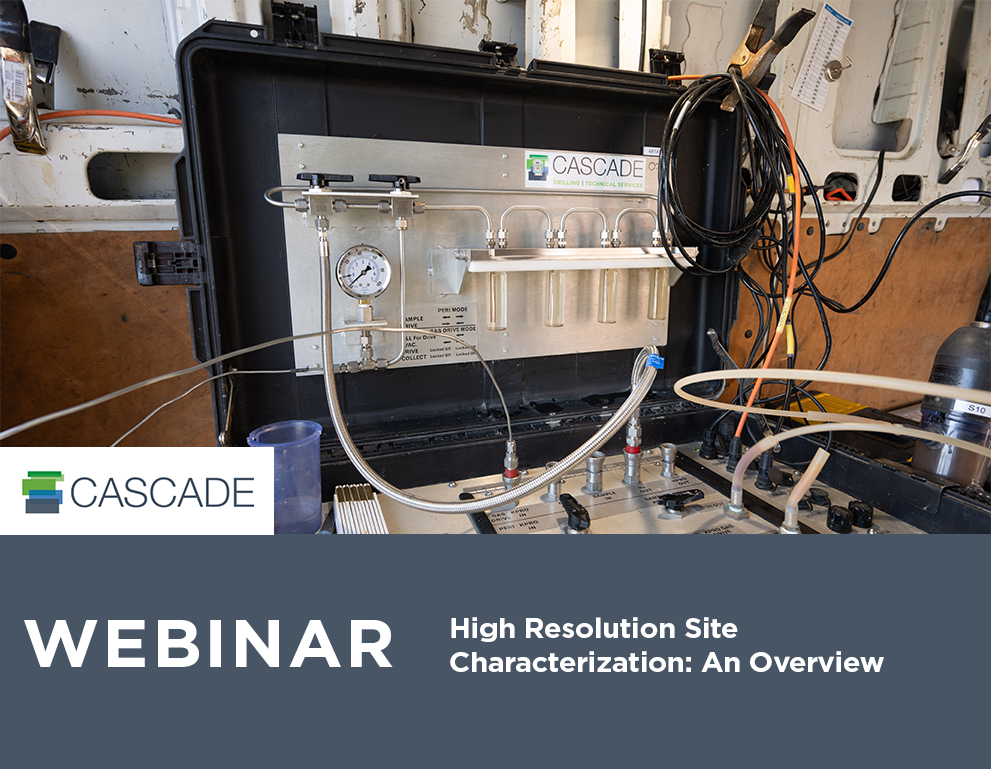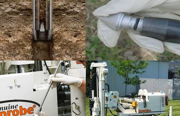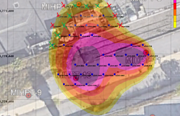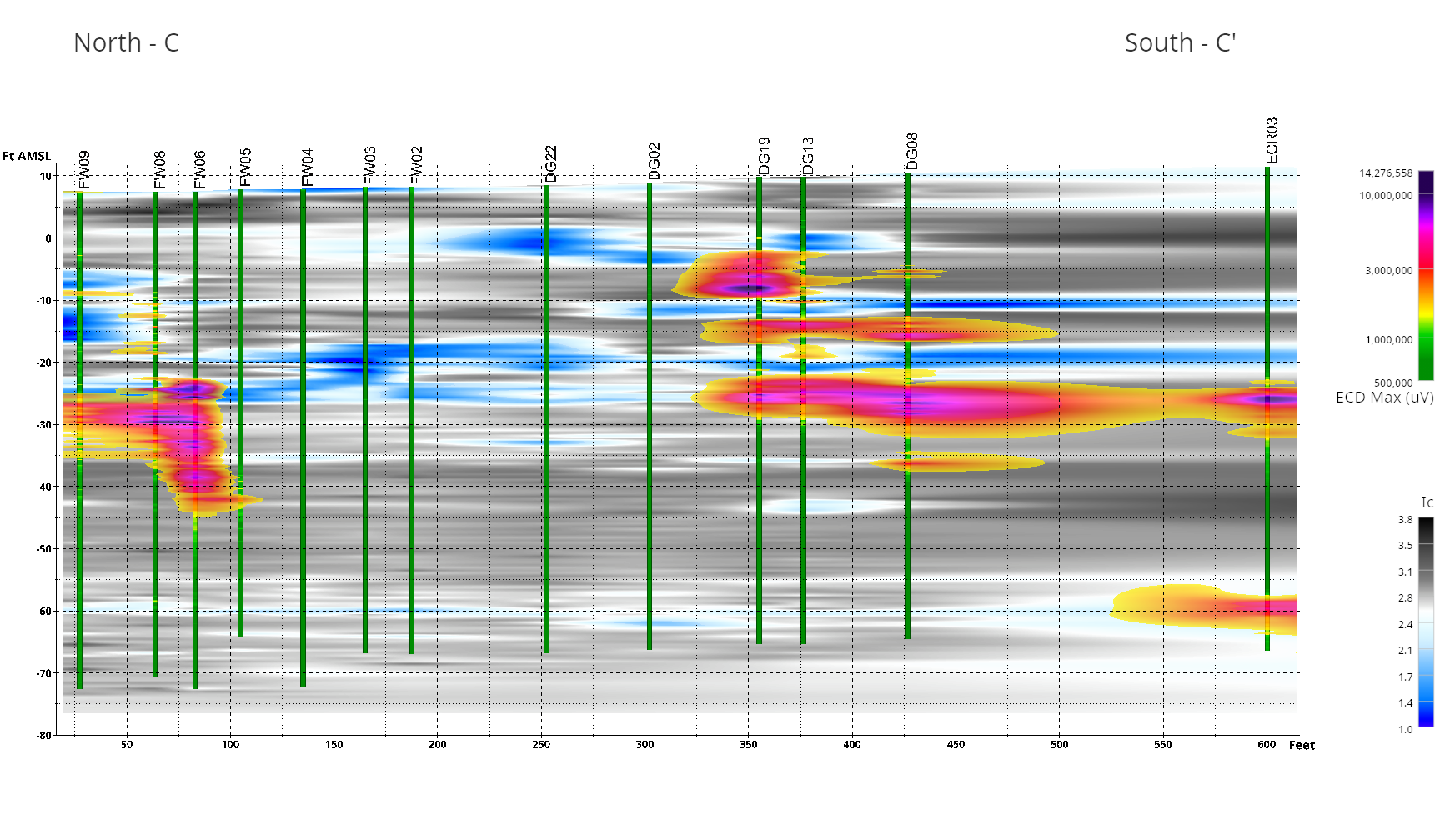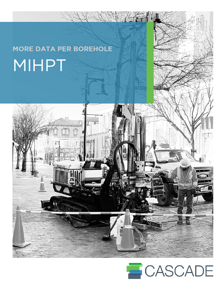
The Membrane Interface & Hydraulic Profiling Tool (MIHPT) combines the Membrane Interface Probe (MIP), Hydraulic Profiling Tool (HPT), and an electrical conductivity probe to deliver more data per borehole during high resolution site characterization. By collecting these datasets simultaneously during advancement, MIHPT provides real-time profiles of relative volatile organic compounds (VOCs) concentrations, relative permeability, and an approximation of soil grain size versus depth for efficient delineation of VOC impacts from petroleum hydrocarbons or chlorinated solvents.
Why It Matters
MIHPT helps teams connect contaminant distribution and hydrogeology in the field faster. With real-time logs and multiple detector options, it improves decision-making on where VOC mass is located in high- and low-K zones, supporting more targeted investigation and more effective remedial alternative design.
What You’ll Learn in the Brochure
- What MIHPT is and what it measures in real time, including VOC response, formation permeability, and soil electrical conductivity versus depth
- Key capabilities, including compound family differentiation, identification of VOC mass in high- and low-K zones, and simultaneous soil and groundwater insight
- How the MIP component works, including heating to volatilize VOCs, transfer through a Teflon membrane, and detector-generated response profiles
- How the HPT component works, including constant-rate water injection, pressure/flow measurement, and real-time estimated hydraulic conductivity (K) logging