Welcome to Pathways, your quarterly newsletter!
Across the industry, evolving site conditions are pushing remediation strategies to be more adaptive, precise, and field-driven. In this issue, we focus on what it takes to execute in real-world conditions, from improving amendment delivery and controlling plume migration to strengthening groundwater sampling under uncertain subsurface conditions. We also highlight new advances in automated injection technology, share progress from our latest sustainability report, and look ahead to the 2026 Chlorinated Conference, where these conversations continue with the broader remediation community.
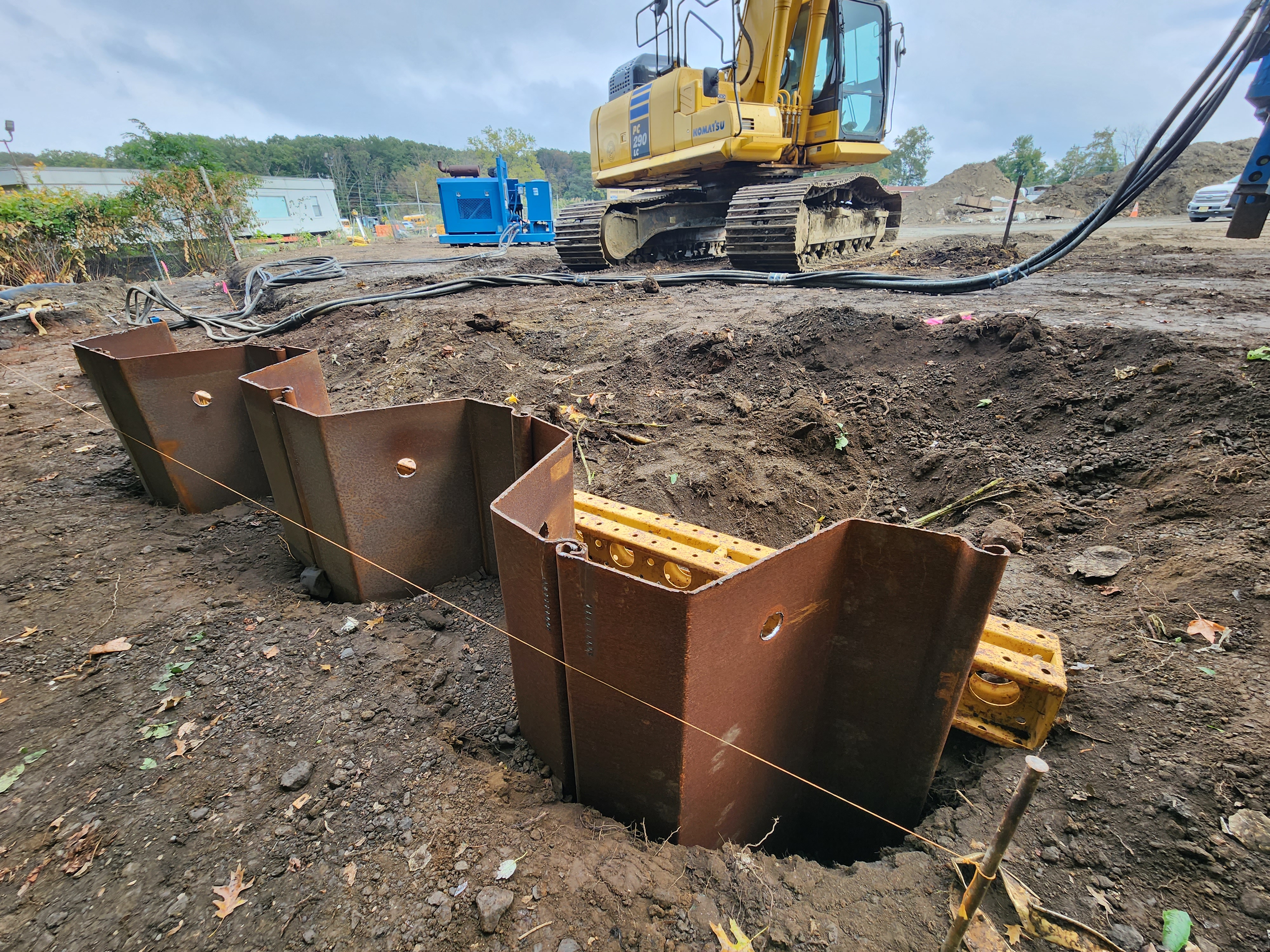
Cascade has been awarded U.S. Patent No. 12,636,689 for Pathfinder our proprietary automated injection technology designed to improve the delivery and distribution of in situ remediation chemistries.
For decades, research has shown that successful remediation depends on achieving effective distribution and contaminant contact, yet injection approaches have seen limited advancement. Pathfinder was engineered to address this challenge through a fully automated system that enhances control, consistency, and amendment placement in the subsurface.
Developed to deliver liquid and our colloidal solid amendments, ColloidalChem™ and Colloidal iZVI™. The result is more reliable amendment distribution, improved contact with contaminants, and greater overall treatment performance.
This milestone reflects Cascade’s continued investment in technologies that help clients navigate increasingly complex site conditions with greater precision and efficiency.
Read More >>
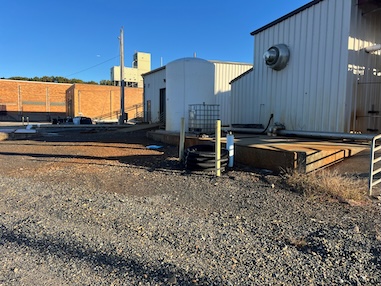
At a 3.4-acre commercial property in Pennsylvania, CVOC contamination from a former dry cleaner migrated downgradient beneath an adjacent property, requiring a proactive approach to reduce onsite concentrations and limit plume movement.
A combined remedy approach using Cascade Chemistries™, including ColloidalChem™ (colloidal activated carbon), Colloidal iZVI™ (colloidal zero valent iron), bioaugmentation culture, and an oxygen scavenger, was implemented to support adsorption, chemical reduction, and biological degradation.
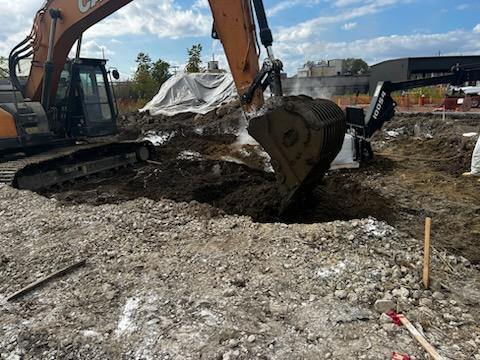
Injections targeted the source area and two downgradient PRBs, with field adjustments from wells to direct push technology (DPT) to ensure effective distribution.
Five months post-injection, PCE and TCE were non-detectable in 3 of 6 onsite wells, with a 64% reduction observed in the source area. Early results indicate that plume migration has been controlled, with continued monitoring underway.
Do you have a question for our team? Ask it here>>
How do you adapt your groundwater sampling approach when subsurface conditions don’t match what was expected?
Unpredictable geology is one of the most common challenges encountered during drilling. Even with a strong conceptual site model, conditions can vary significantly across a site, impacting sample quality, representativeness, and data confidence.
In these situations, flexibility is critical. Adjustments to sampling methods, tool selection, and interval targeting often need to happen in real time, whether that means modifying screen intervals, changing drilling techniques, or refining sampling depths based on observed lithology. A responsive, field-informed approach helps ensure the data collected accurately reflects site conditions and supports better downstream decisions.
If you are working on a site where conditions are not matching expectations, join our upcoming webinar, “Sampling in the Real World: Adapting to Unpredictable Geology,” on June 10, 2026, at 10:00 AM Pacific / 1:00 PM Eastern.
Register Here >>
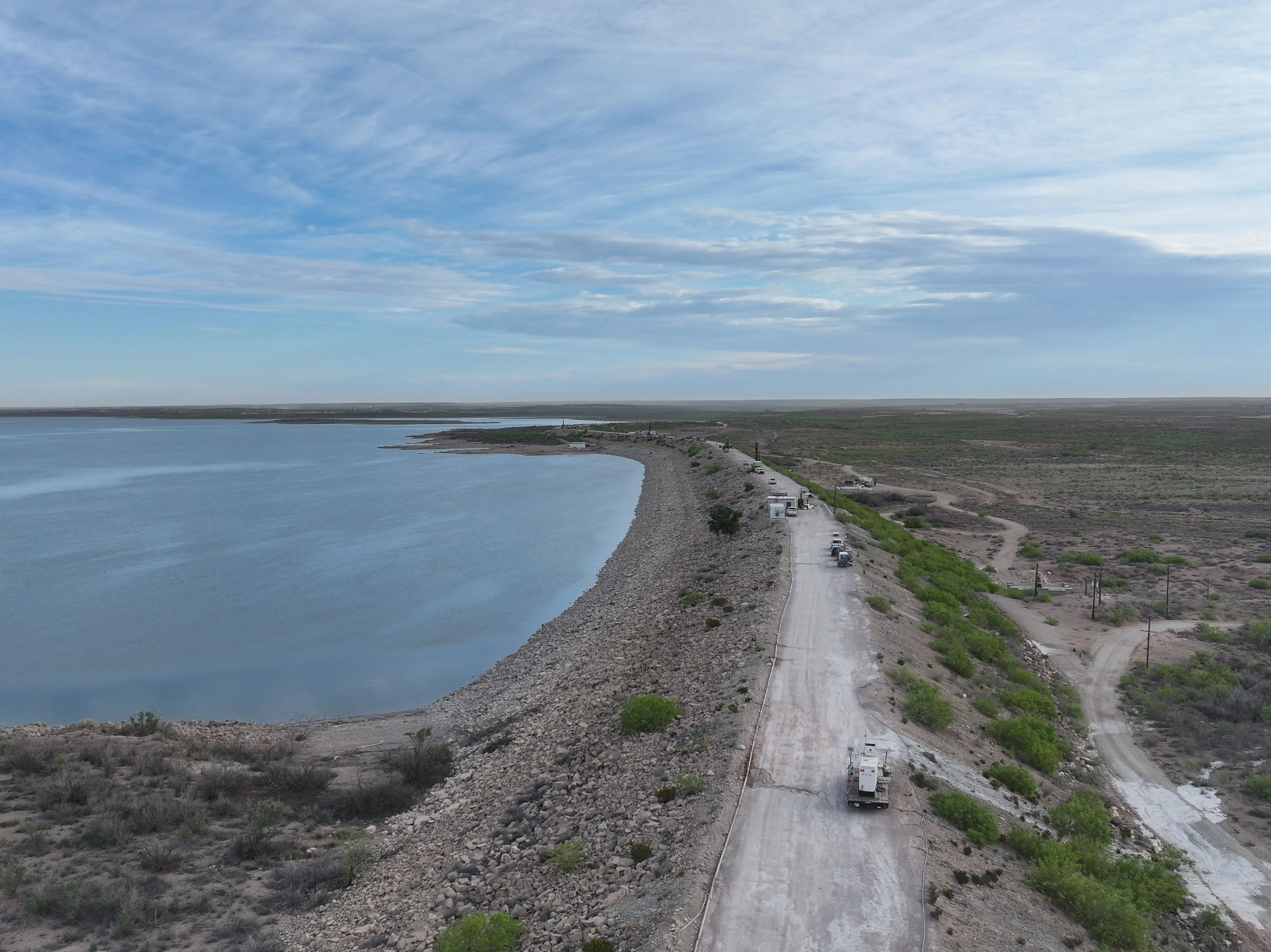
That priority is reflected in Cascade’s 2025 Corporate Sustainability Report, Sustainability in Focus. This year’s progress shows how our teams are improving safety performance, strengthening workforce capabilities, and executing projects more efficiently to reduce fuel use and greenhouse gas emissions, without compromising performance in the field.
The report also highlights how Cascade is advancing remediation technologies to address increasingly complex site conditions, and outlines key priorities for the year ahead, including fleet efficiency, expanded PFAS capabilities, and stronger systems to support consistent, high-quality project delivery.
Heading to Battelle’s 2026 Chlorinated Conference in Fort Worth, May 31 to June 4?
This biannual event brings together over a thousand environmental professionals to share the latest in remediation technologies, research, and field applications shaping the industry. Cascade and TerraTherm experts will be on-site throughout the week, sharing insights on thermal technologies, PFAS treatment, site characterization, and practical approaches for complex subsurface challenges.
Whether you are working through a current project, troubleshooting a field challenge, or evaluating new strategies, our team is available for one-on-one conversations during the conference.
Schedule a quick coffee, breakfast, or onsite meeting with one of our technical experts and start the conversation:
Schedule Time >>
We understand that quality is essential to your success. Your feedback at the end of each project helps us refine and improve our services to meet your expectations every time. Click on the link below to quickly submit a Qcard for your latest project, and help us continue to deliver the results you deserve.