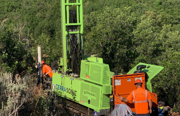
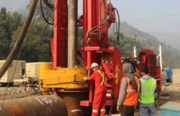
Hollow stem auger (HSA) drilling is a proven, cost-effective method used for both environmental and geotechnical applications. Commonly used for soil and groundwater sampling, monitoring well installation, and instrument placement, HSA drilling advances through formations using flighted augers and a rotating cutter head, with cutter head options available to match site geology.
Why It Matters
The hollow stem acts as a temporary casing, helping prevent borehole caving and supporting cleaner sample collection by reducing the chance of outside contamination. With strong productivity for well installation and flexibility across job needs, HSA drilling is a reliable option for many unconsolidated subsurface conditions.
What You’ll Learn in the Brochure
- What hollow stem auger drilling is and where it’s commonly used (sampling, well installation, instrumentation, subsurface improvements)
- How the method works, including flighted augers, rotating cutter heads, and geology-based tooling options
- Key benefits of HSA drilling, including no drilling additives (no mud), the ability to drill through unconsolidated alluvial deposits, and depths up to 450 feet
- How Cascade supports projects nationwide with a full range of drill rigs and support vehicles, including truck-mounted, limited-access, and specialty equipment