Successfully managing PFAS impacts requires more than a single technology or remediation approach. From defining the nature and extent of contamination to selecting and implementing effective treatment strategies, environmental professionals are increasingly being asked to make decisions that balance technical performance, constructability, regulatory requirements, long-term liability, and project cost.
This four-part webinar series explores practical approaches to PFAS investigation, characterization, source zone management, plume remediation, and destructive treatment. Attendees will gain insight into field-proven technologies, implementation considerations, and lessons learned that can help improve project outcomes and support more informed remediation decisions.
Can't attend live? Register for the series and we'll send you the webinar recordings so you can watch on demand at your convenience.
Part 1: PFAS Site Investigation in Practice: Drilling, Characterization, and WaterlooAPS™ Applications
August 26, 2026 | 1PM EST
Presenters: Casey Moore and Rob Danckert
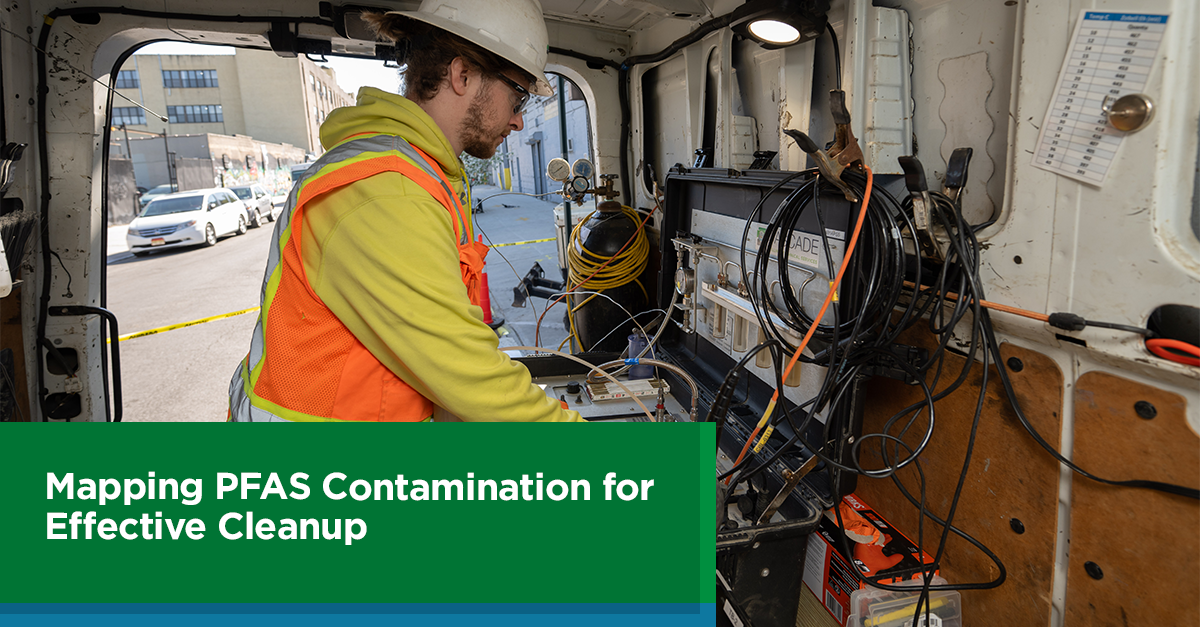
PFAS investigations present unique challenges due to low detection limits, complex groundwater behavior, and the potential for cross-contamination during drilling and sampling activities. Learn practical field considerations for PFAS investigative drilling and discover how high-resolution characterization tools such as WaterlooAPS™ can improve conceptual site models and strengthen remediation planning.
Part 2: Chemistry and Delivery Approaches for PFAS Source and Plume Remediation
September 23, 2026 | 1PM EST
Presenters: Eliot Cooper, Paul Lear, Ph.D and Deborah Shaffer (Schnell) P.E.
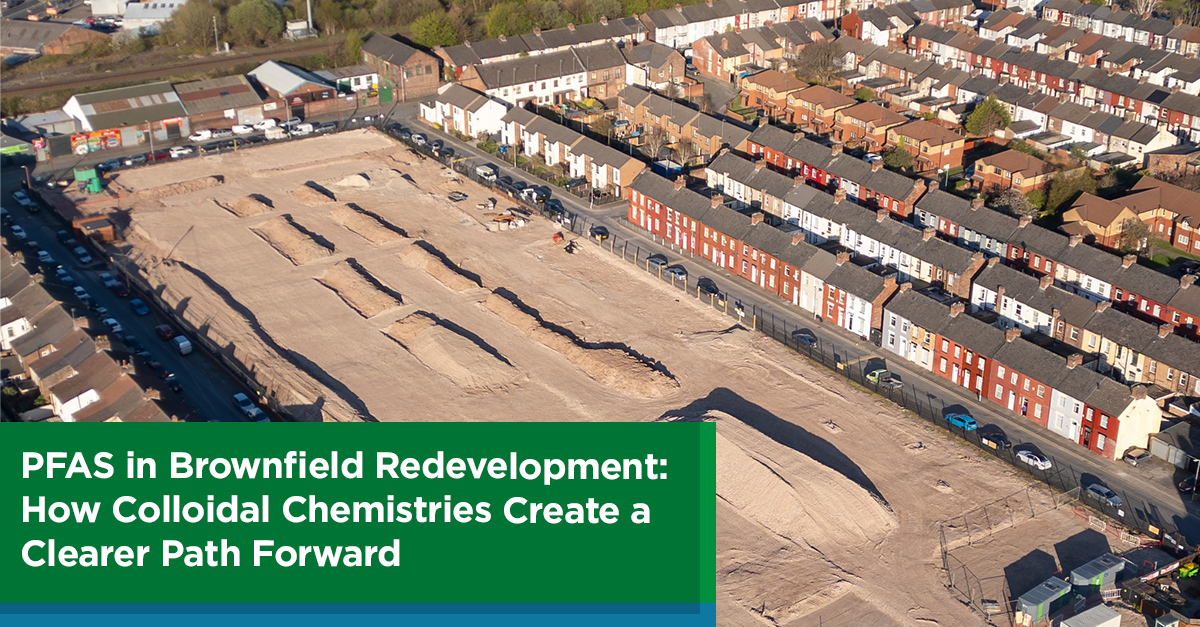
As organizations move from site investigation to remedy selection, understanding how remediation chemistry and delivery methods work together becomes increasingly important. Explore how colloidal carbon barriers, soil mixing, and trenchless permeable reactive barrier technologies can be applied to address PFAS impacts in both source zones and groundwater plumes.
Part 3: Thermal Remediation for Total PFAS Destruction in Contaminated Source Zones
October 21, 2026 | 1PM EST
Presenter: John LaChance
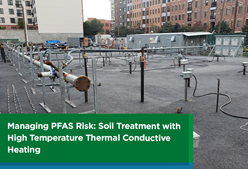
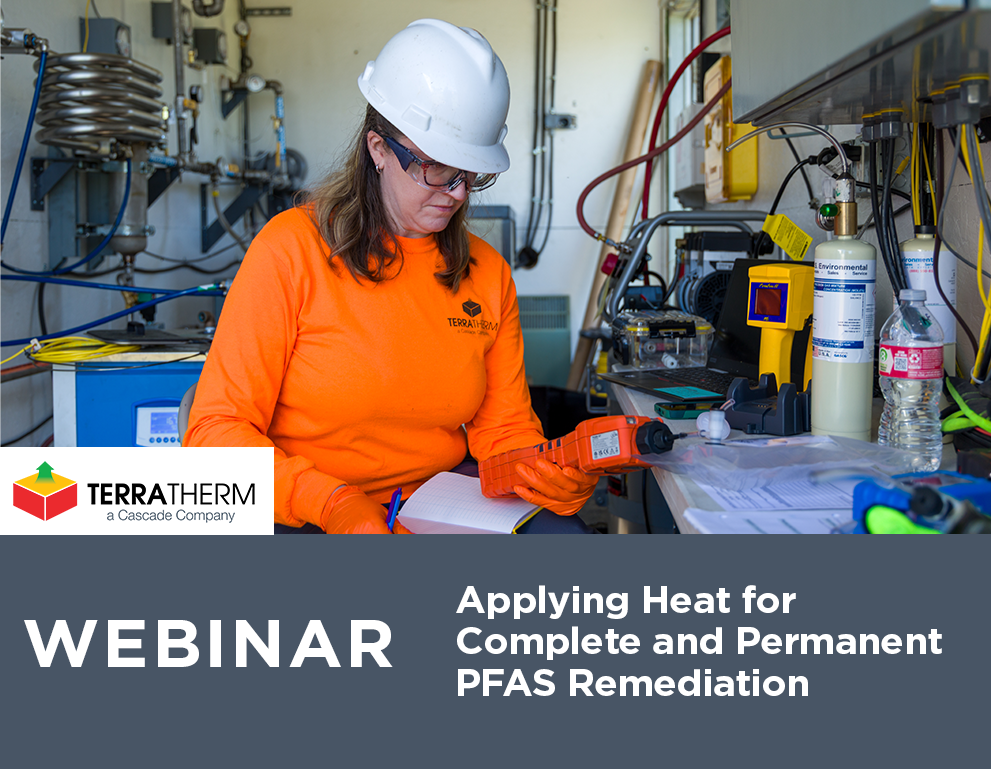
Many PFAS treatment approaches focus on containment or transfer rather than destruction. This webinar reviews field-demonstrated high-temperature thermal treatment technologies and examines how they can achieve destructive treatment of PFAS in impacted soil, sediment, and vapor streams while addressing emissions management and treatment verification requirements.
Part 4: PFAS Source Zone Remediation: ISS Applications and Potential Trenchless PRB Use Cases
November 11, 2026 | 1PM EST
Presenters: Paul Lear, Ph.D and Deborah Shaffer (Schnell) P.E.
PFAS source zones can continue contributing contamination to groundwater long after initial releases occur. Learn how in situ stabilization/solidification (ISS) can be used to reduce contaminant mobility while exploring potential applications for trenchless permeable reactive barriers in areas where traditional excavation or mixing methods may be limited by site access, depth, or surface disruption constraints.
Join us live for all four sessions or register once to receive access to the webinar recordings and watch on demand. Gain practical insights from experts on PFAS investigation, characterization, remediation, and treatment technologies that can help support better project decisions across the entire site lifecycle.
About the Presenters
 |
Casey MooreOperations Manager & Service Line Leader, Site CharacterizationCasey Moore is an HRSC service line leader and Operations Manager at Cascade with 12+ years of experience in the industry. He has managed a wide variety of complex projects utilizing HRSC tools in Cascade’s toolbelt including WaterlooAPS, MIP, OIP, UVOST, HPT & CPT. |
 |
Rob DanckertCost Estimator, PFAS SpecialistRob Danckert has spent his 25-year career in the environmental consulting field managing site characterization projects across New England and New York. After joining Cascade in 2010, Rob focused his efforts on advocating for the use of high resolution site characterization tools and sonic drilling methods to support revised conceptual site models, remedial design, and action for our projects. |
 |
Eliot CooperRemediation Technology ExpertEliot Cooper is a Remediation Technology Expert. In this role, he helps clients design efficient and cost-effective remedies using high resolution site characterization (HRSC) and a vast array of remediation options. His specialty is finding the right combination of tools and technologies for complex sites, and ensuring every step of the remediation process is optimized to achieve results. |
|
|
Paul Lear, Ph.DSenior Technical Director, Civil & Environmental ConstructionDr. Paul Lear, a leading authority in stabilization/solidification (S/S) technology, brings over 30 years of experience in full-scale remediation projects to Cascade. As a key technical expert in In Situ Stabilization (ISS), Dr. Lear has pioneered numerous groundbreaking advancements in the field. Dr. Lear's expertise extends internationally, with notable achievements such as the first S/S of organic wastes in Australia and the first large-scale S/S treatment in Canada. |
|
|
Deborah Shaffer (Schnell), P.E.Director of Project Management, Civil & Environmental ConstructionDeborah Shaffer (Schnell) is the Director of Project Management at Cascade. She is a leading national expert on permeable reactive barriers (PRBs), hydraulic and pneumatic fracturing, and in situ technologies such as in situ chemical oxidation (ISCO) and in situ chemical reduction (ISCR), with a focus on amendment distribution. Deborah works with clients to select the best remedial technology for their sites, based on data presented in their conceptual site model (CSM), project timelines, and budget. |