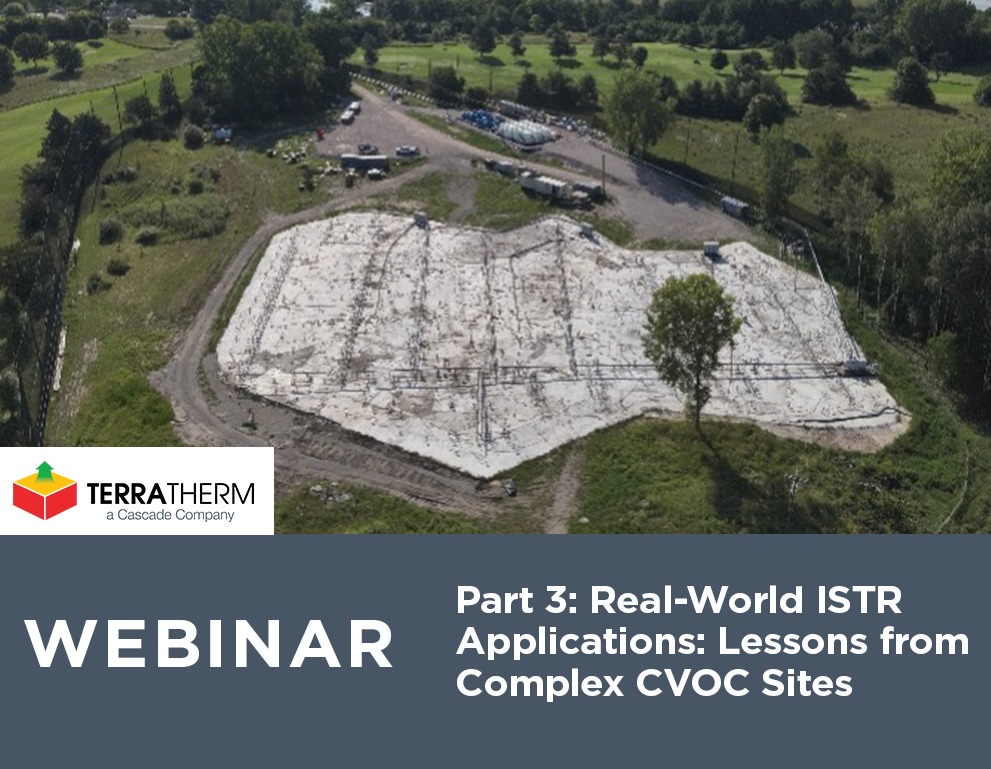
In situ stabilization (ISS) plays a significant role in modern remediation, particularly for redevelopment scenarios where both cost control and schedule certainty are priorities. By treating contaminated soils in place, ISS can reduce excavation, hauling, and disposal costs while supporting faster site turnaround compared to more disruptive remediation methods.
But what about the resulting stabilized soil mass? If you’re working toward redevelopment milestones, it’s important to understand how that mass (the ISS monolith) fits into future site plans. Foundations, utilities, and grading can all be influenced by ISS, and knowing what to expect early on can help prevent surprises later in design or construction.
In this session, our remediation experts will break down the practical side of ISS and show how it fits into broader in situ remediation strategies to reduce risk and streamline project delivery.
We’ll cover:
- How ISS can deliver meaningful cost and schedule savings compared to traditional soil removal or extended treatment timelines.
- What to consider when incorporating the ISS monolith into redevelopment planning and construction sequencing.
- Real project examples where ISS successfully supported commercial and residential redevelopment goals.
By attending, you’ll gain practical insights to help control costs, stay on schedule, and make redevelopment projects more predictable. Whether you’re kicking off a new site or managing an ongoing remediation, this session will give you the tools to achieve smoother, more successful outcomes.
About the Presenters
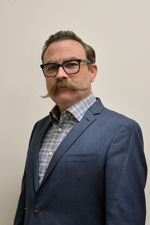 |
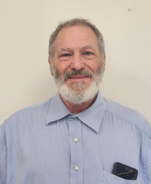
Edward Zielanski, P.E.Vice President of Operations, Civil & Environmental ConstructionEd Zielanski, PE, is the Vice President of Operations at Cascade for the Civil & Environmental Construction division based in Westampton, NJ. He has proven technical, project management, and leadership experience from his 25+ year career in environmental consulting, capital project delivery, and remediation contracting. |
|
|
Paul Lear, Ph.DSenior Technical Director, Civil & Environmental ConstructionDr. Paul Lear, a leading authority in stabilization/solidification (S/S) technology, brings over 30 years of experience in full-scale remediation projects to Cascade. As a key technical expert in In Situ Stabilization (ISS), Dr. Lear has pioneered numerous groundbreaking advancements in the field. Dr. Lear's expertise extends internationally, with notable achievements such as the first S/S of organic wastes in Australia and the first large-scale S/S treatment in Canada. |